

Blog
Digital Eye Strain: Why Your Eyes Ache After a Day on Screens

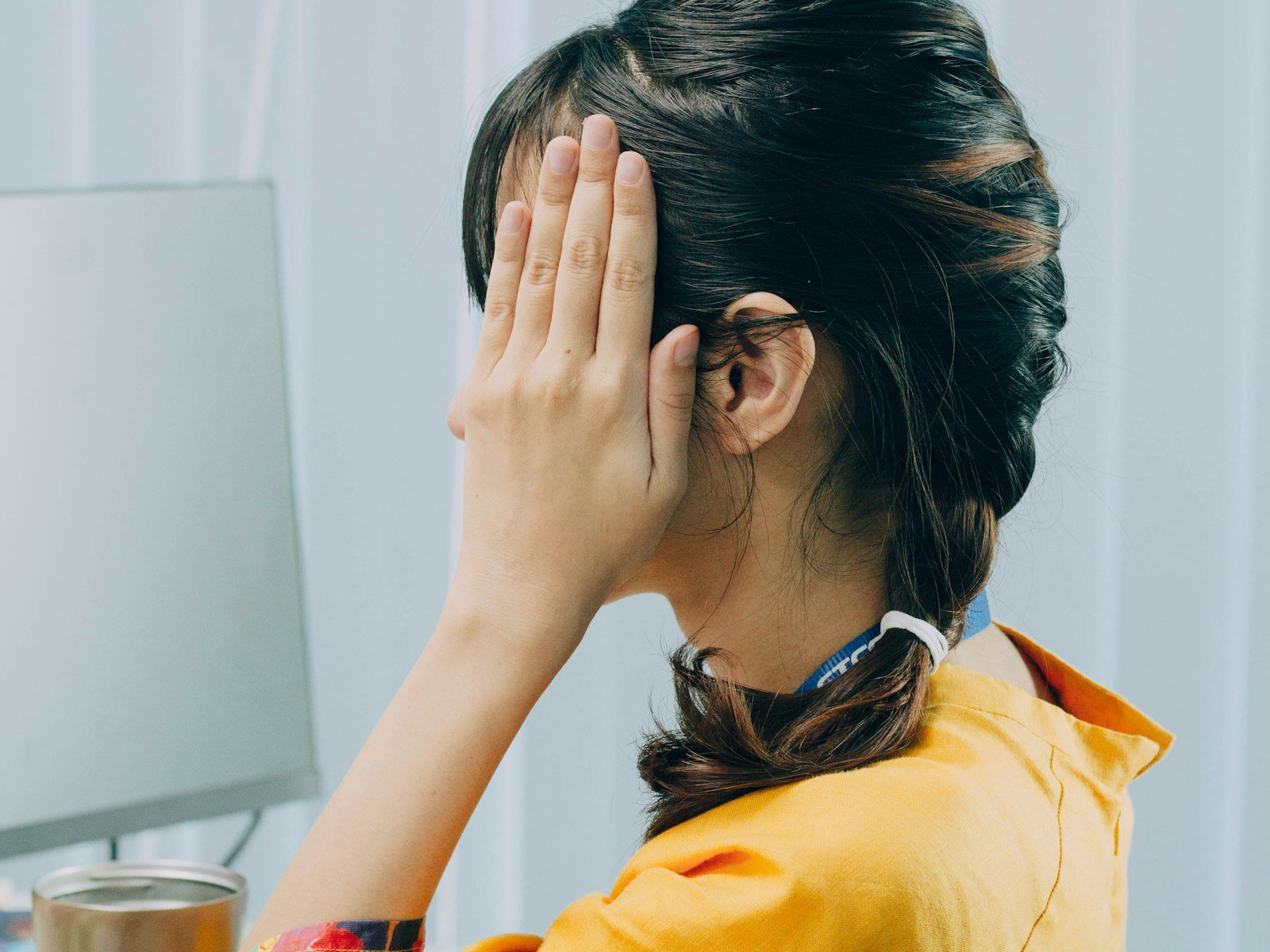
A full day on a laptop, an evening scrolling on your phone, and by bedtime your eyes feel heavy, dry and slightly out of focus. This group of symptoms is called digital eye strain, also known as computer vision syndrome. It is very common, usually temporary, and in most cases easy to ease with a few changes.
What it feels like
- Tired, aching or heavy eyes
- Dryness, burning or a gritty feeling
- Blurred vision, especially when you look up from the screen
- Headaches, often around the forehead or temples
- Stiff neck and shoulders
Why screens tire your eyes
Looking at a screen means holding focus at one close distance for long stretches, which keeps the focusing muscles inside your eye working without a break. We also blink less when we concentrate, so the tear film dries out faster. Glare, small text, poor lighting and awkward posture add to the load. An uncorrected prescription, even a small amount of astigmatism or the first signs of age-related near vision change, makes your eyes work harder still.
What about blue light?
Current evidence does not show that the blue light from phones and computers damages your eyes. The discomfort comes mainly from sustained focusing and reduced blinking. Some people find blue-filtering lenses more comfortable, but they are not a cure for eye strain. Blue light late at night can affect sleep, so a night mode in the evening is a sensible habit.
Habits that help
- Follow the 20-20-20 rule. Every 20 minutes, look at something about 20 feet (6 metres) away for 20 seconds.
- Set up your screen. Keep it about an arm’s length away and slightly below eye level.
- Make text comfortable. Increase the font size and match screen brightness to the room.
- Cut glare. Position screens away from bright windows and consider an anti-reflective coating on your lenses.
- Blink fully. Remind yourself to blink, and ask a pharmacist or eye doctor about lubricating drops if your eyes feel dry.
- Keep your prescription current. Lenses designed for screen distance can make long desk days far more comfortable.
When to see an eye care professional
Book an eye exam if symptoms continue after you change your habits, if you get frequent headaches, or if you notice double vision. See a doctor promptly for eye pain, significant redness or any sudden change in vision.
This article is for general information only and is not a substitute for advice from a qualified eye care professional.


